Plumbing emergency? — We're fully staffed and ready to help. Call now to schedule
·
Call (707) 750-9900
CA Lic #1115191 · 707-387-1312
Once the immediate danger is addressed, a licensed plumber can inspect, repair, or replace damaged gas lines.
Natural gas powers water heaters, furnaces, stoves, dryers, and fireplaces in most Sonoma County homes. It's safe when the system is properly installed and maintained. But gas leaks are serious — they can cause explosions, fires, and carbon monoxide poisoning. Every homeowner should know the warning signs and what to do about them.
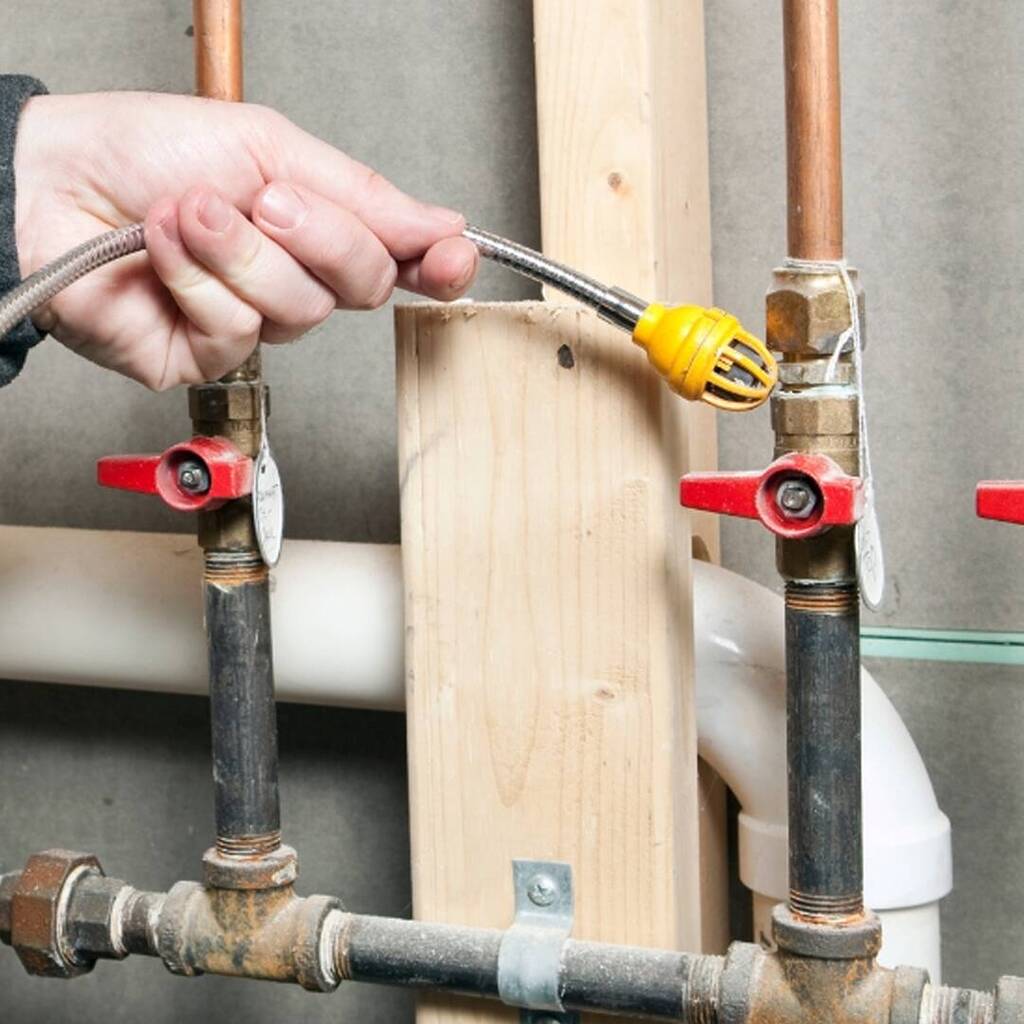
Natural gas is odorless in its natural state. Utility companies add mercaptan — a chemical that smells like rotten eggs or sulfur — so you can detect leaks. If you smell it, take it seriously. Even a faint odor warrants investigation.
A hissing, whistling, or roaring sound near a gas line, appliance, or meter can indicate a leak. The sound comes from pressurized gas escaping through a crack, loose fitting, or damaged pipe.
Dead or dying vegetation in an otherwise healthy area — particularly in a line or pattern — may indicate a gas leak from a buried pipe. Dirt or dust blowing from the ground, bubbles in standing water, or a white cloud or fog near a gas line are also visual indicators.
Exposure to a gas leak can cause headaches, dizziness, nausea, fatigue, and difficulty breathing. If multiple people in your household experience these symptoms simultaneously, especially when home and not when away, consider a gas leak or carbon monoxide exposure. Get outside and call for help.
Leave the house immediately. Don’t turn on or off any lights, electronics, or appliances. Don’t use your phone inside the house. Sparks from electrical switches and phones can ignite gas.
Don’t try to find the leak. That’s for professionals with the right equipment. Your only job is to get everyone (including pets) out safely.
Call from outside. Once you’re a safe distance from the house, call 911 and PG&E’s emergency line (1-800-743-5000). PG&E will send a technician to locate the leak and shut off gas if necessary — at no charge.
Don’t re-enter until cleared. Wait for PG&E or fire department to confirm it’s safe before going back inside.
PG&E is responsible for the gas line from the street to your meter. Everything on your side of the meter — the pipes running to your water heater, furnace, stove, dryer, and fireplace — is your responsibility. This is where a licensed plumber comes in.
You need a plumber for:
All gas work in Sonoma County requires a permit and inspection. We handle both as part of every gas line project.
Adding a gas appliance — a BBQ island, outdoor fireplace, pool heater, backup generator, or converting an electric stove to gas — requires a new gas line run from your existing system to the appliance location. This involves sizing the line for proper gas flow, running pipe (typically black iron or CSST flexible tubing), and connecting and pressure-testing the system.
Cost varies based on the length of the run and complexity of the installation. A straightforward gas line to an outdoor kitchen typically costs $500–$2,000. More complex installations involving longer runs, multiple appliances, or routing through finished walls cost more.
California requires earthquake automatic shutoff valves on new construction. For existing homes, they're strongly recommended — particularly in Sonoma County, which sits within the seismically active San Andreas Fault zone.
These valves mount on your gas meter and automatically shut off gas flow when they detect seismic motion above a set threshold. This prevents gas from flowing through potentially damaged pipes after an earthquake, dramatically reducing fire and explosion risk.
Cost is typically $300–$600 installed. It's a one-time investment with no maintenance required.
Gas appliances that aren't properly vented or maintained can produce carbon monoxide (CO) — an odorless, colorless gas that's lethal at high concentrations. CO detectors are required by California law on every floor of your home and near sleeping areas.
If your CO detector alarms: get everyone out of the house, call 911, and do not re-enter until emergency personnel clear the home. Common causes include blocked or damaged flue vents, malfunctioning furnaces, and improperly installed gas appliances.
Annual servicing of gas appliances and regular inspection of venting systems prevents most CO issues.
Book a Service with West Coast Plumbing or call (707) 750-9900 today.
Let the local experts handle it. West Coast Plumbing has been serving Sonoma & Marin County homes and businesses with fast, friendly, and reliable service for years. Schedule your Fall Plumbing Checkup today and enjoy a worry-free winter.