
When Cleaning Stops Working, Replace It Once.
Full drain line replacement and fixture drain installs across the North Bay. From a sink trap to a 50-foot main line — permanent fixes that put the snake away for good.
When It’s Time to Stop Snaking and Start Replacing.
Drain cleaning is a great fix the first or second time. But pipes have a lifespan. If you’re snaking the same line every six months — or seeing any of these signs — it’s time for a real fix, not another temporary one.
Same Drain Clogs Repeatedly
If you’re calling a plumber for the same drain twice a year, the problem isn’t buildup — it’s the pipe itself. Cracks, sags, or root intrusion mean cleaning is a temporary fix. Replacement is the permanent one.
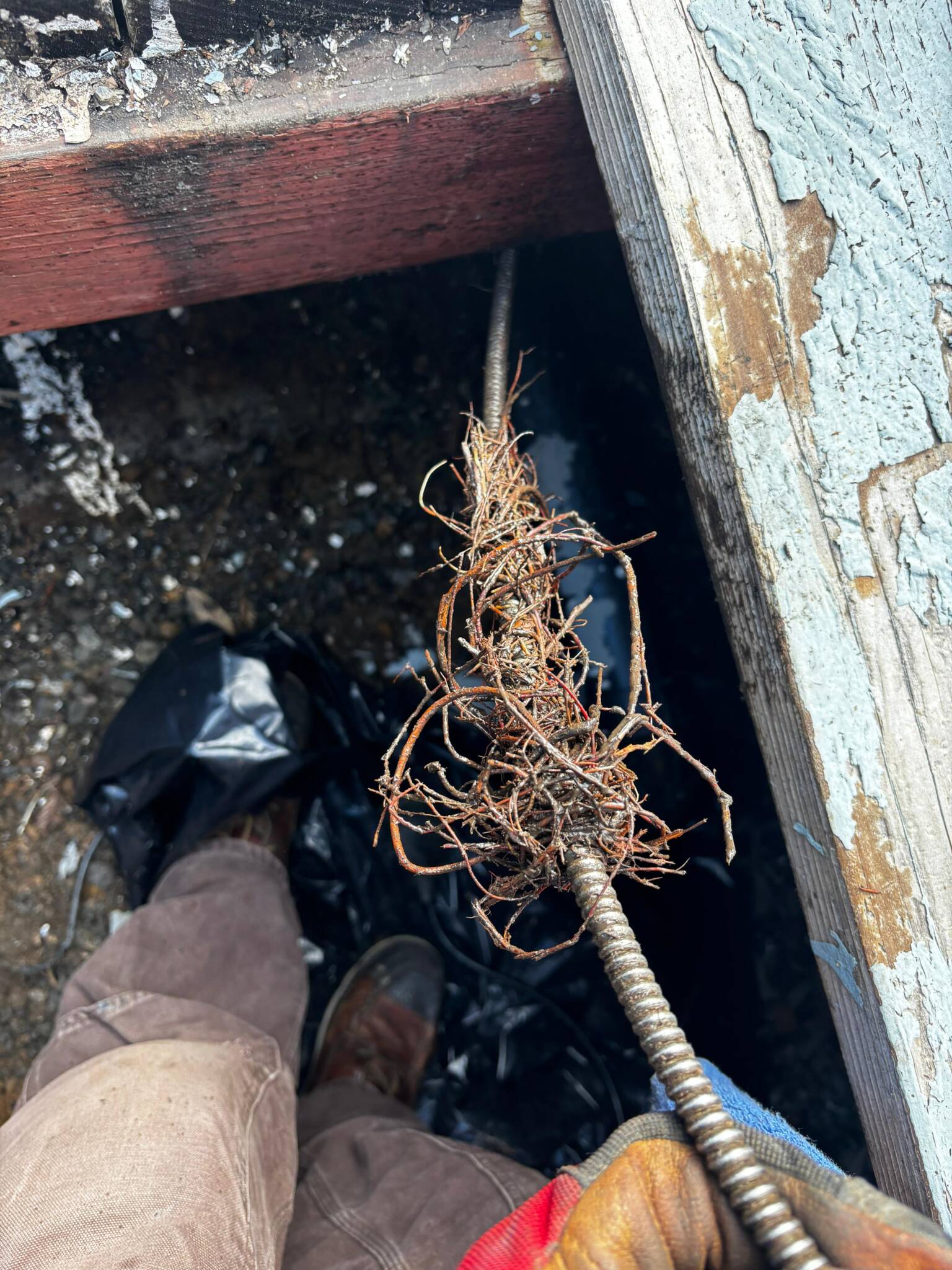
Tree Roots in the Camera Footage
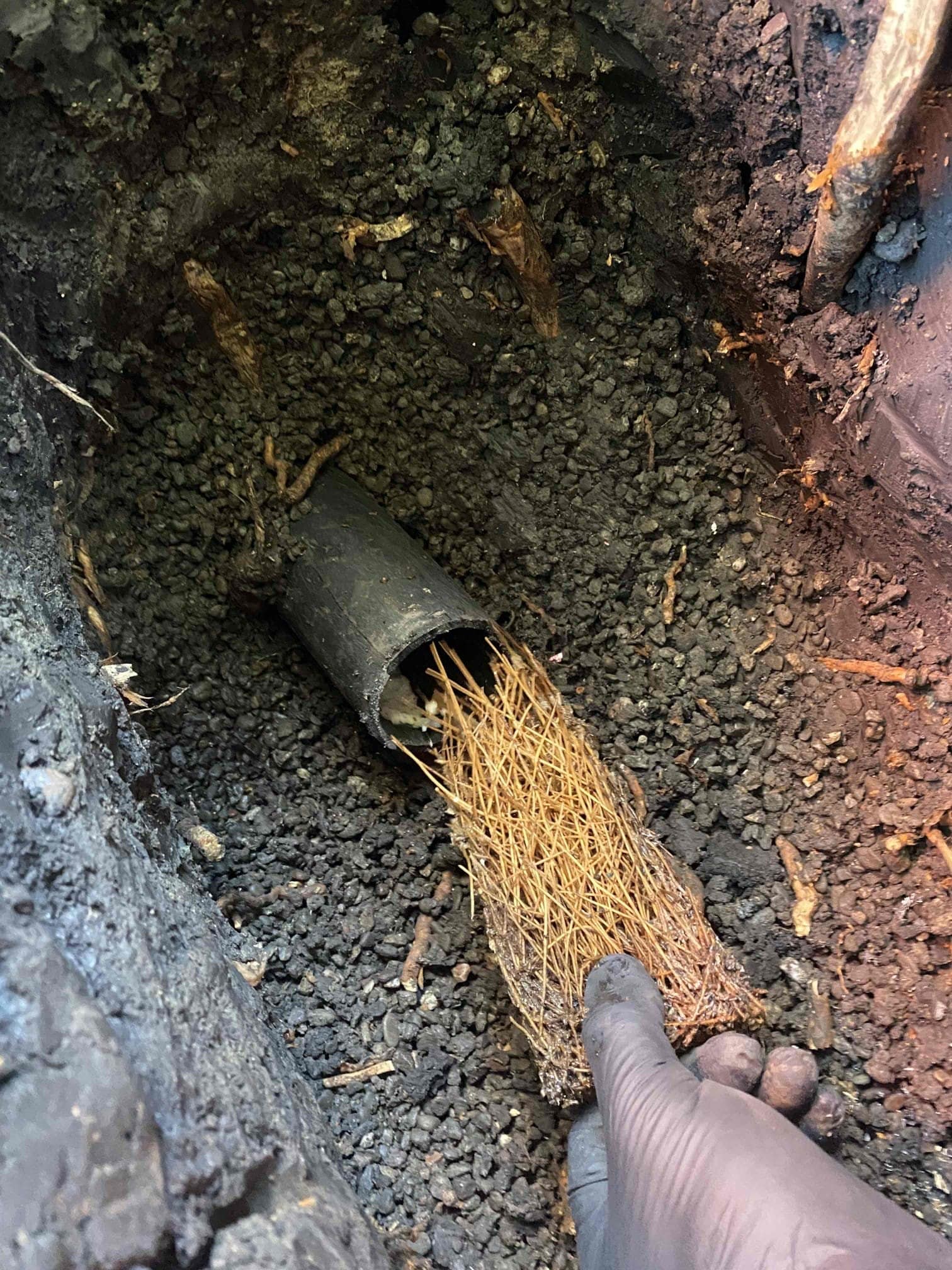
If the camera shows roots inside the line, snaking won’t solve it — the roots will grow back through the same crack within months. Replacement seals the line so roots can’t get in again.
Visible Cracks or Bellies
A camera inspection that shows cracked pipe sections, sags (“bellies”), or collapsed segments has identified a problem snaking can’t fix. The pipe needs to be replaced — ideally before the next backup.
Old Cast Iron, Clay, or Galvanized Pipe
If your home was built before 1980, your drain lines are likely cast iron, clay, or galvanized steel — all materials with a 50–75 year lifespan. Many North Bay homes are well past it. Modern PVC or ABS lasts 80+ years and resists root intrusion.
Wet Spots in the Yard
A leaking buried drain line saturates the soil above it. Wet patches on the lawn, sinking sections, or unusually green grass over the pipe path all signal the line has cracked or collapsed underground.
Corroded or Rusted Drain Assemblies
Under-sink trap rusted through. Tub drain assembly leaking from below. Corroded fixture drains can’t be cleaned to working order — the metal itself has failed. Replacement of the assembly is the only real fix.
Snaking the same drain over and over costs more than replacing it once. If two cleanings haven’t solved it, three won’t either.
Your Issue Falls Into One of Two Camps.
Drain replacement covers two completely different scopes — with very different costs, timelines, and disruption levels. Knowing which one applies to your problem is the first step.
Interior Fixture Drain Replacement
The drain assembly under your sink, tub, or shower has failed — corroded, cracked, or leaking. Replacement happens inside the home with minimal disruption.
- Sink, tub, and shower drain assemblies
- P-traps, S-traps, and connector pipes
- Floor drains and shower bases
- Branch drain lines inside walls
Main Drain Line Replacement
The buried drain line carrying waste from the house to the city sewer or septic has failed. Replacement involves excavation or trenchless installation through the yard.
- Underground main drain replacement
- Under-slab drain repair & replacement
- Trenchless replacement options
- City sewer or septic connection upgrades
Replace the Pipe. Keep the Yard.
For most underground drain replacements, trenchless is the better way to do the job — and the customer’s yard, driveway, and landscaping survive the project intact.
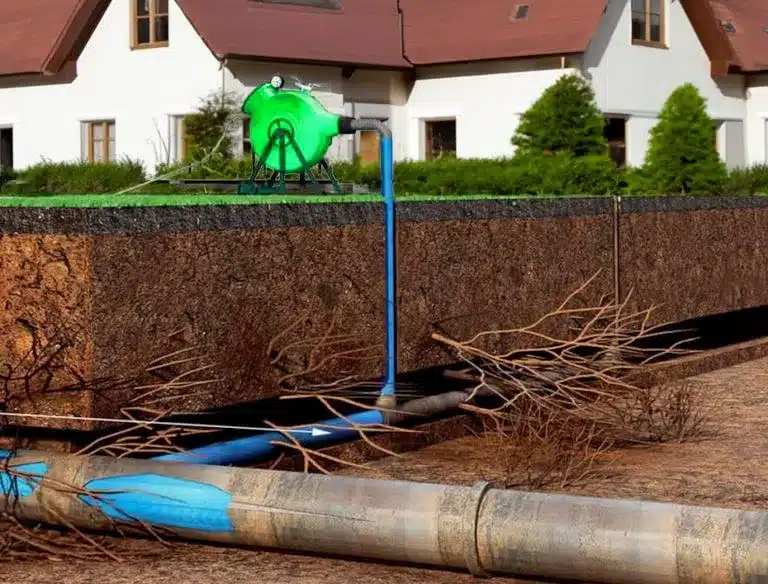
Two Small Pits. One New Drain Line.
Traditional drain replacement digs a trench the full length of the line — tearing up your lawn, garden, driveway, and concrete walkways. Trenchless replacement does the same job through two small access pits, often less than 4 feet wide. Same permanent fix. None of the destruction.
-
Yard Stays Yours
Mature trees, established landscaping, sod, hardscape — all preserved. No bulldozers, no full trench, no dirt mountains.
-
1–2 Days, Not a Week
Most trenchless drain jobs finish in 1–2 days. Traditional excavation runs 2–5 days when restoration is included.
-
Often Costs Less Total
Once you factor in landscape restoration, concrete repair, and yard repair costs, trenchless usually comes out cheaper than excavation.
-
50+ Year Lifespan
Modern HDPE pipe and cured-in-place liners are rated 50+ years — same lifespan as traditionally-installed PVC.
North Bay Drains Have Three Big Enemies.
Three things make drain replacements especially common in Sonoma, Marin, and Napa homes — and they’re working on your pipes whether you’re paying attention or not.
Mature Tree Roots
Oak, redwood, and bay laurel roots in older Petaluma, Santa Rosa, and San Rafael neighborhoods are aggressive. Old clay and cast iron drain joints can’t keep them out — once roots invade, replacement is the only permanent solution.
Aging Pipe Materials
Many North Bay homes still have original cast iron, clay, or galvanized drain lines. After 50+ years of use, the inside of these pipes has corroded down to a fraction of its original diameter — even a clean line can’t flow properly.
Ground Shift & Settlement
The North Bay sits on active fault lines and expansive clay soils. Earthquakes, seasonal soil movement, and natural settlement crack pipe joints, create sags (“bellies”) that hold waste, and break old lines in ways insurance often won’t cover.
Whatever Drain Failed, We Replace It Right.
From the trap under your bathroom sink to the buried main line under your front lawn, every drain we replace gets installed with modern materials, permitted where required, and built to last decades.
Sink Drain Replacement
Kitchen, bathroom, and utility sink drain assemblies. New traps, tailpieces, and connections installed in less than a half-day — with the old corroded parts hauled away.
Tub & Shower Drain Replacement
Tub overflow assemblies, shower drain bases, and waste-and-overflow units. We open the access panel cleanly, replace the assembly, and seal it watertight before closing it back up.
Floor Drain Replacement
Garage, basement, and laundry room floor drains. Common failure points in older homes — corroded grates, cracked drain bodies, or compromised seals all get replaced with modern code-compliant assemblies.
Main Drain Line Replacement
Full replacement of the buried main line carrying waste from your home to the city sewer or septic. Modern PVC or HDPE pipe rated for 80–100 years — done once, done right.
Trenchless Drain Replacement
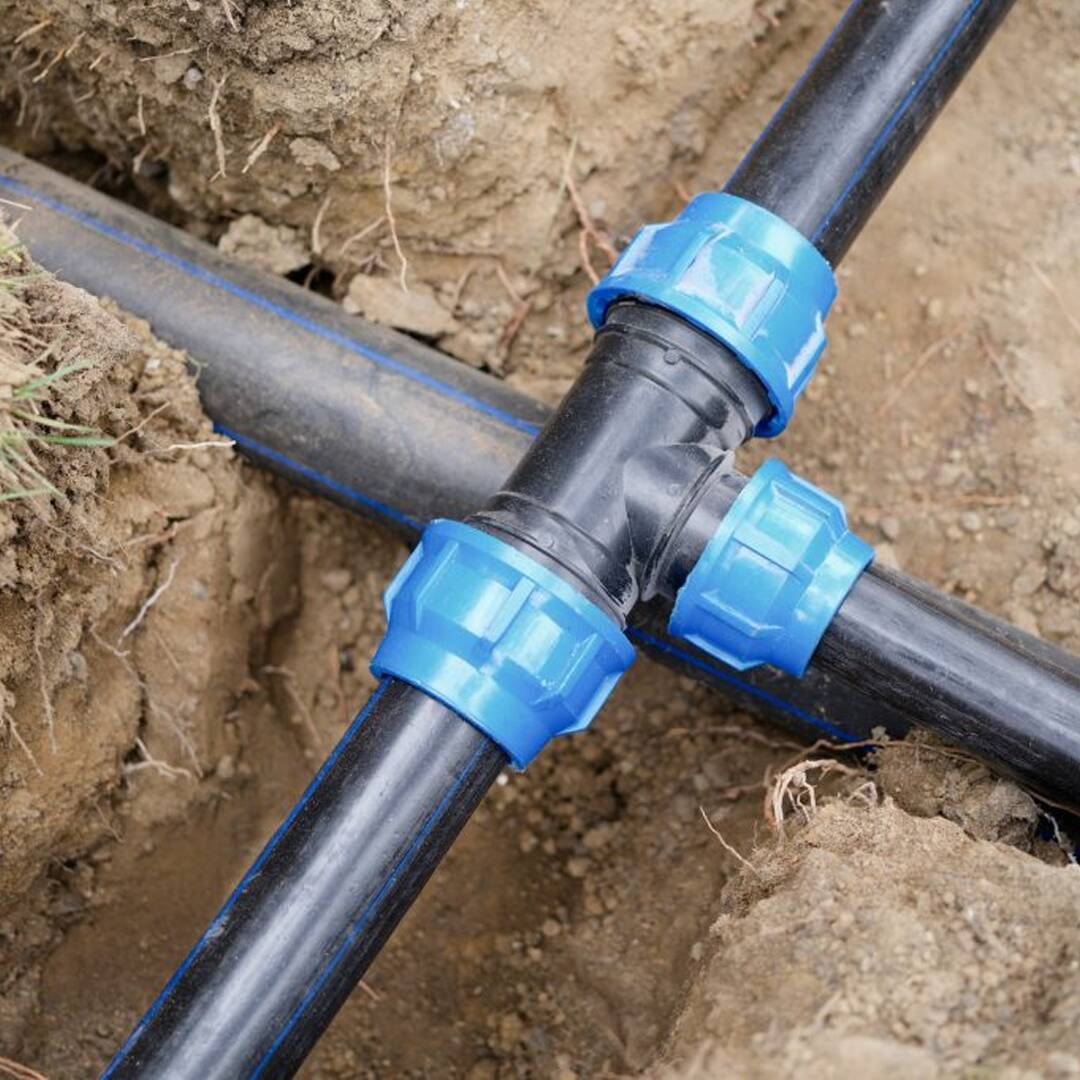
Replace the underground line without digging up the yard, driveway, or landscaping. Pipe lining and pipe bursting let us replace 50 feet of failed line through two small access pits — faster, cleaner, and often less expensive once restoration costs are factored in.
Under-Slab Drain Replacement
For homes with drain lines under concrete slabs, replacement requires careful excavation, slab cutting, and re-pour. We coordinate the full project — including concrete and tile work where needed.
Replacement Done The Permanent Way.
Drain replacement is the kind of job you only want done once. Here’s how we make sure it lasts the lifetime of the house.
-
Camera-Confirmed Diagnosis
We don’t recommend a $10,000 replacement based on guesswork. Every main-line job starts with a camera inspection — you see exactly what’s wrong before we quote a fix.
-
Trenchless When It’s Better
Most contractors only know how to dig. We offer trenchless replacement because sometimes that’s the right call — preserving your yard, driveway, or landscaping while still solving the problem.
-
Permitted & Inspected
Main-line and under-slab work is permitted and signed off by the city or county inspector. The paper trail protects your insurance, your warranty, and the next person who buys your home.
-
Modern Materials, Lifetime Builds
PVC and HDPE drain pipe rated for 80–100 years. Brass and stainless fixture assemblies. We don’t install another generation of clay or cast iron — ever.
See What Replacement Looks Like.
Three real WCP drain replacement projects across Sonoma, Marin, and Napa. Drag the slider on each one to compare the failed drain we replaced with the new install.
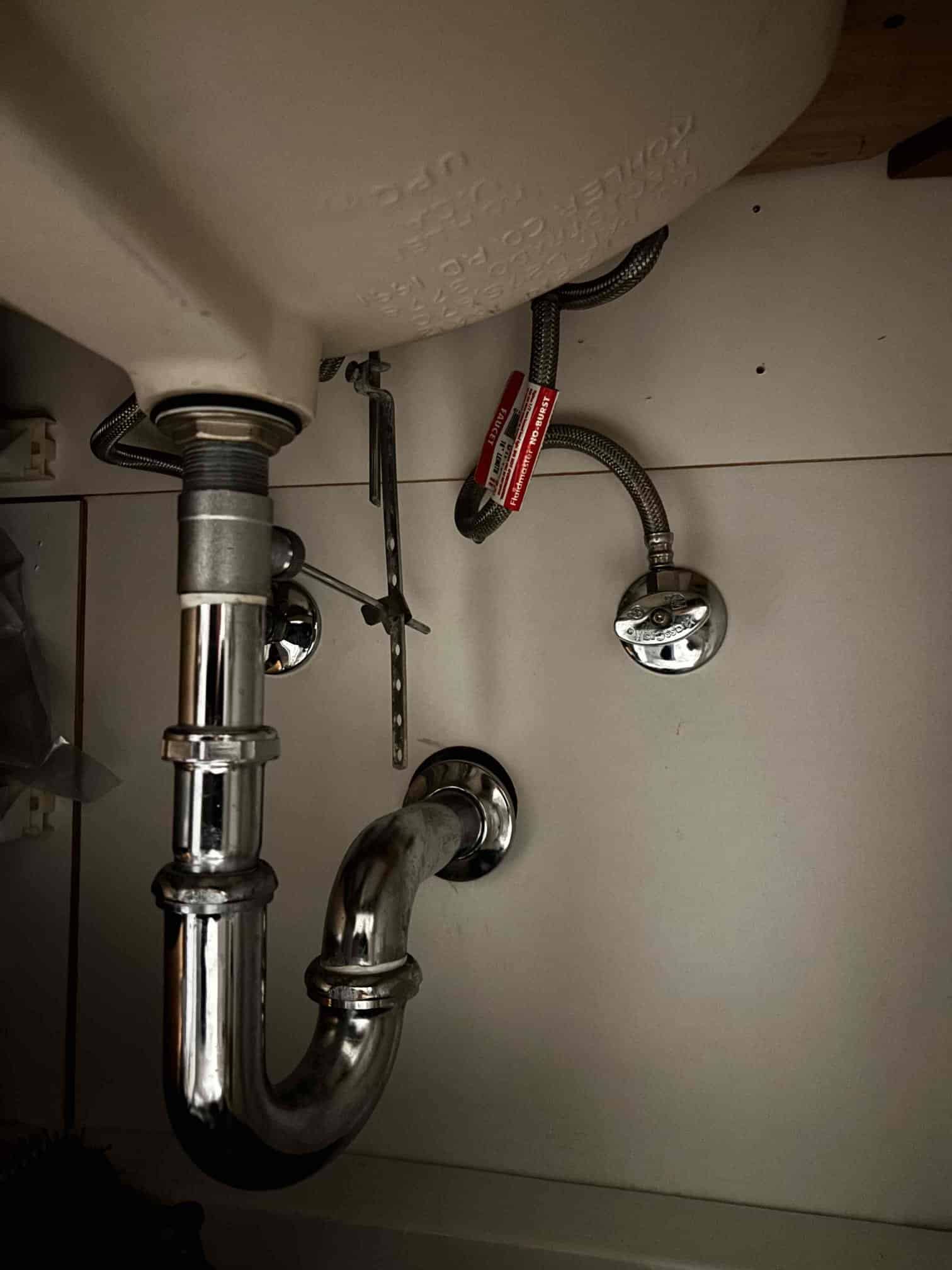
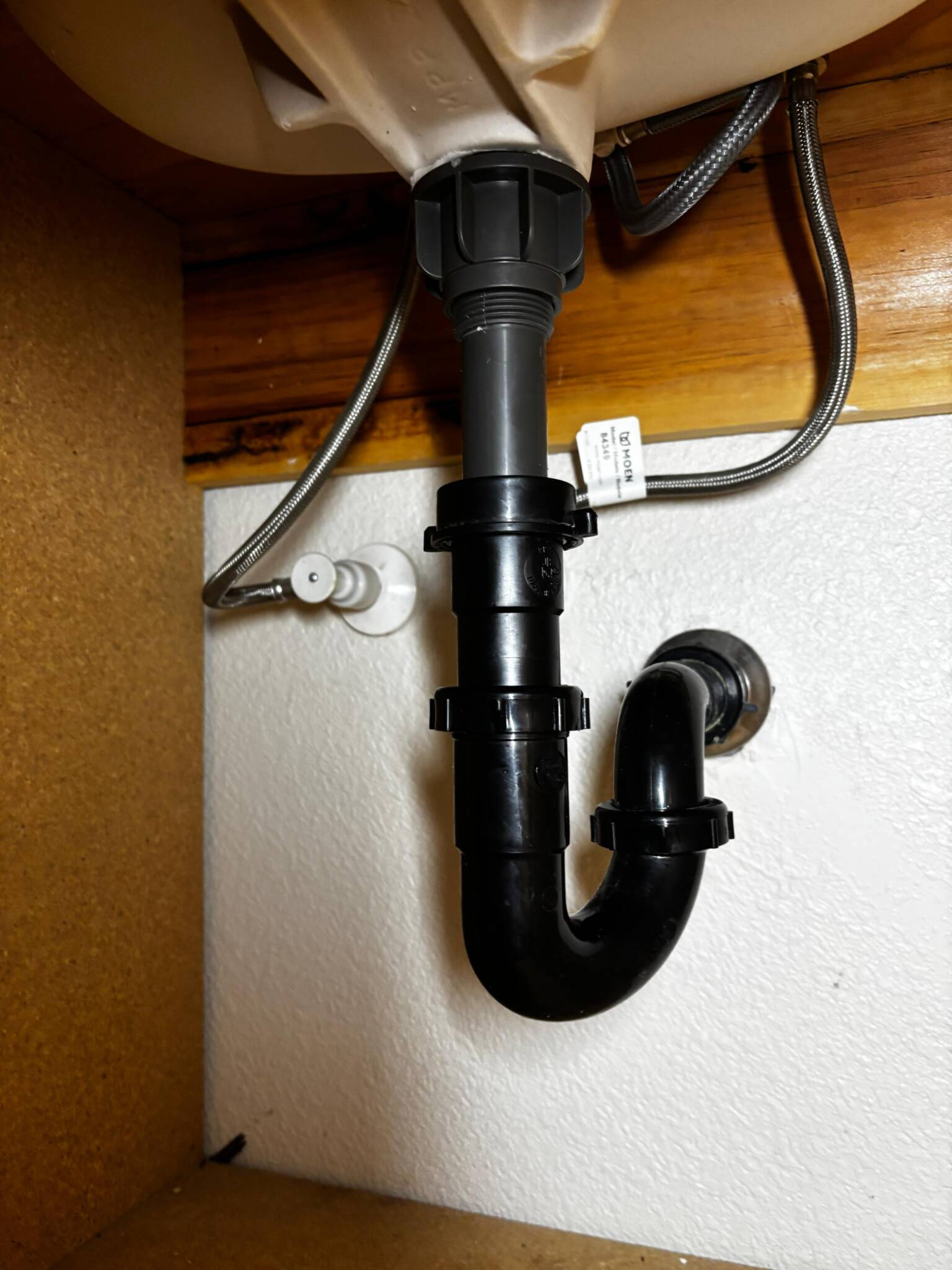
Kitchen Sink Drain Replacement
Corroded galvanized P-trap leaking under the kitchen sink for months. Replaced full assembly with new chrome trap, tailpiece, and connector pipes.
Bathroom Branch Line Replacement
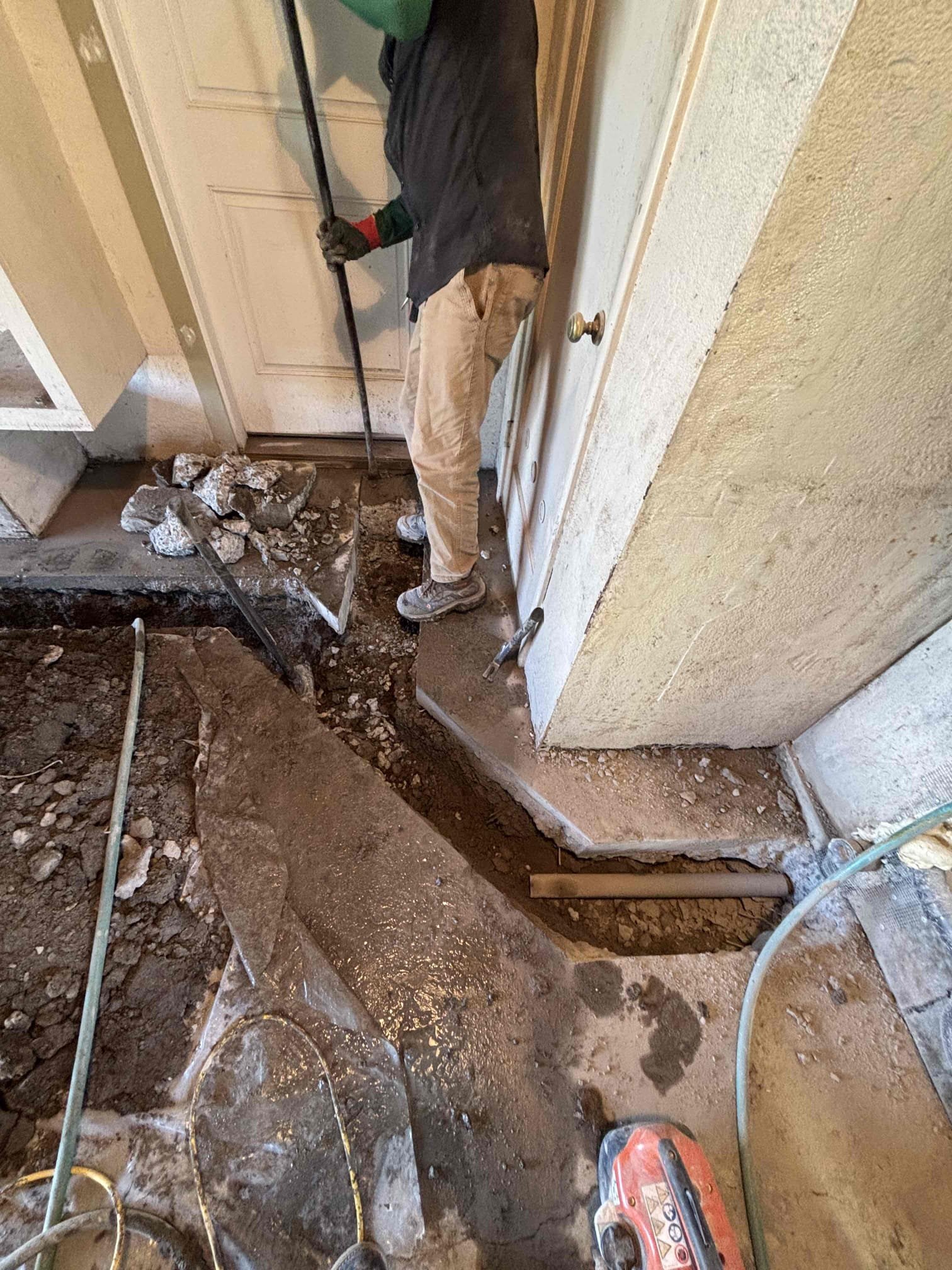
Cracked cast iron branch drain inside the wall, leaking into the floor below. Replaced with new ABS pipe, full wall access patched and ready for finish work.
Main Drain Line Replacement
Failed cast iron main drain line connecting the home to the city sewer. Replaced with PVC over a single-day excavation, with yard restoration completed the following day.
← Drag any slider to compare →
Honest Answers About Drain Replacement.
How do I know if I need replacement or just another cleaning?
The clearest answer comes from a camera inspection. Cleaning works when the pipe is structurally sound — just dirty or clogged. Replacement is the right call when the camera shows cracks, root intrusion, sagging, or pipe material that’s reached the end of its life. If you’ve had two cleanings in the last year for the same drain, the answer is almost always replacement.
How much does drain replacement cost?
Cost varies widely by scope. Interior fixture drain replacement (sink, tub, shower assembly): $400–$2,500. Branch line replacement inside walls: $1,500–$4,500. Main drain line replacement: $4,000–$15,000+ depending on length, depth, soil conditions, and whether trenchless or excavation is used. We give detailed written quotes after a camera inspection — never vague phone estimates.
What’s the difference between trenchless and traditional excavation?
Traditional excavation digs a trench the full length of the line — tearing up the yard, driveway, or landscaping. Trenchless replacement uses two small access pits and either lines the existing pipe (cured-in-place) or pulls a new pipe through while breaking up the old one (pipe bursting). Trenchless is faster, less invasive, and often less expensive once you factor in the cost of yard or driveway restoration. Not every job qualifies — we’ll tell you which method is right for your situation.
How long does drain replacement take?
Interior fixture drains: 2–6 hours. Branch line replacement inside walls: half-day to full day. Trenchless main-line replacement: 1–2 days. Traditional excavated main line: 2–3 days (longer if the yard or driveway needs full restoration). We give specific timelines before we start, including any inspection scheduling.
Will my homeowner’s insurance cover drain replacement?
Sometimes. Insurance typically covers sudden damage (a tree falling on the line, vehicle damage) but not gradual wear like aging pipes, root intrusion over time, or general deterioration. Some policies have specific service-line endorsements that cover sewer and drain line failure — check your policy. We provide detailed documentation that helps when filing a claim. Always confirm coverage with your insurance company before assuming anything.
Do I need a permit for drain replacement?
Main-line replacement and any work touching the main sewer connection requires a permit and inspection in Sonoma, Marin, and Napa counties. Most under-slab work also requires a permit. Interior fixture drain replacement (a P-trap or branch line under a sink) typically does not. We pull permits when required and handle all paperwork — signed-off work protects your insurance, your warranty, and your home value.
What North Bay Homeowners Are Saying.
No edits, no cherry-picked highlights. These are real reviews from real customers across Sonoma, Marin, and Napa — pulled directly from our Google Business Profile.
Not All Plumbers Replace Drains The Same Way.
Here’s how West Coast Plumbing stacks up against the big-chain plumbers and other local contractors when it comes to drain replacement work.
| Capability | West Coast Plumbing | Big-Chain Plumber | Other Local Contractor |
|---|---|---|---|
| Camera Inspection Before Quote | ~ | ~ | |
| Trenchless Replacement Available | ~ | ||
| Permits Pulled & Inspections Coordinated | ~ | ||
| Written Detailed Quote | ~ | ||
| Local Owners, Local Crew | |||
| Same Tech Start to Finish | |||
| Modern PVC/HDPE Materials | ~ | ||
| Warranty on Workmanship | 2-Year | 1-Year | Varies |
Done Snaking the Same Drain?
Talk to a real plumber about replacement. Camera inspection, honest diagnosis, written quote — no pressure, no guesswork.